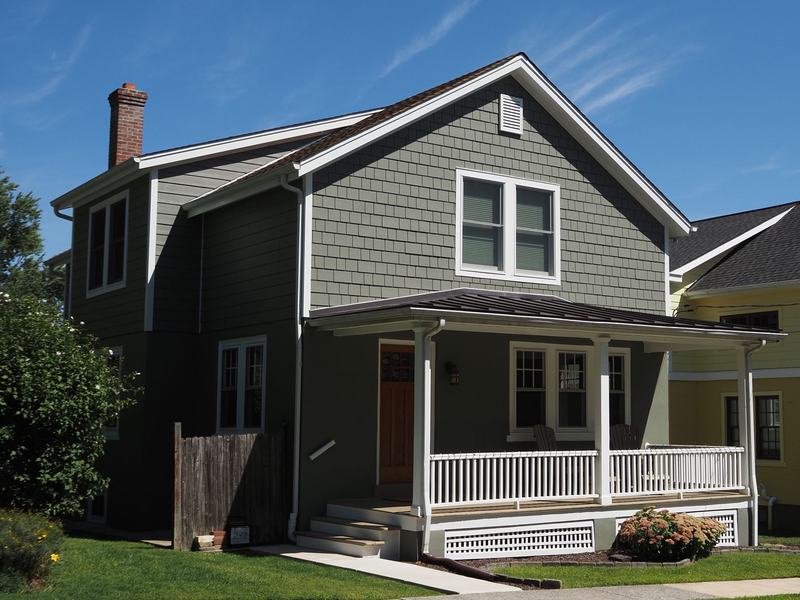
Late May through September is the best window for siding replacement in Rochester. The weather is warm and dry, materials install correctly, and you avoid the risk of early snow or frozen ground that can delay a project.
The ideal time to replace siding in Rochester runs from late May through September. Temperatures during this stretch typically stay between 55 and 82 degrees, which is warm enough for adhesives, caulks, and sealants to cure properly. Most siding materials have minimum temperature requirements for installation. Vinyl can get brittle and crack when cut in cold weather. Caulk does not seal right if it is too cold. Fiber cement and engineered wood need dry conditions so the material does not absorb moisture before it is up on the wall.
Rochester's warm season lasts about four months, from mid-May to mid-September. July is the hottest month with average highs around 81 degrees, but it is also one of the wettest months. August brings slightly cooler temperatures and still enough warm days to work. By late September, temperatures start dropping and you risk hitting a cold snap or early freeze that can stall a project partway through.
Rochester gets about 34 inches of rain per year, spread across roughly 109 days. Summer months from June through August see the most precipitation, often from thunderstorms. In 2024, the area had severe storms in June and July with heavy rain, hail up to golf ball size, and damaging winds. A siding crew cannot work in heavy rain because the wall sheathing and weather barrier need to stay dry during installation. Most contractors plan for weather delays and build extra days into the schedule.
Winter is not realistic for siding work in Rochester. Temperatures from December through February average between 8 and 27 degrees. The area gets about 48 inches of snow annually, with the most falling in December. Frozen ground, icy conditions, and short daylight hours all make winter jobs difficult and often impossible. If a project runs into November, you risk snow and freezing temperatures before the job is done. Spring can work if you wait until late April or May when overnight lows stay above freezing.
Summer is the busiest season for siding contractors in Rochester and throughout Minnesota. If you want work done in June, July, or August, book your contractor in early spring. Many companies fill their summer schedule by April or May. Waiting until June to call might push your project into late summer or fall. Early fall, especially September, is often less crowded and the weather is still good. Contractors have more openings and you avoid the summer rush.
If a storm damages your siding, you might not have the luxury of choosing your timing. The June and July 2024 storms brought hail and high winds that damaged homes across the area. After a storm, contractors get slammed with calls and materials can be harder to get. File your insurance claim right away, get temporary protection on any openings, and line up a contractor as soon as you can. Expect delays during these busy periods.
Start calling contractors in late winter or early spring if you want work done that summer. Get quotes in March or April, compare your options, and sign a contract. This gives you first pick of open schedule slots and avoids the summer crunch. If you are flexible on timing, ask about late August or September dates when contractors might have gaps in their calendar. You might get a better price and faster start date.
Keep in mind that Rochester now requires permits and inspections for all siding work. The inspector needs to see the sheathing and weather barrier before the siding goes on, so the project cannot be rushed through in a day or two. A typical siding job takes one to three weeks depending on the size of your house and weather delays. Plan accordingly and give yourself a buffer before cold weather arrives if you are scheduling work in late summer or early fall.
Most Rochester siding jobs wait for spring, but storm damage does not always wait. If a crew has to patch or replace vinyl siding in late fall or winter, the industry installation manual has specific cold-weather rules worth knowing.
The Vinyl Siding Institute's installation manual calls for at least a 1/4-inch gap where panels meet corner posts, channels and openings, so the vinyl can expand and contract. When the work is done below 40°F, that gap goes up to 3/8 inch. Panels should be nailed in the center of the slots and not driven tight, leaving about a dime's thickness under the nail head, so the siding can slide side to side as the temperature changes. The manual also says to follow each manufacturer's own instructions, since products differ. Ask your contractor how they handle cold-weather gaps before work starts.
Siding problems in Minnesota sometimes start at the roof. University of Minnesota Extension explains that ice dams form when heat from the house melts snow on the upper roof and the water refreezes at the colder edge. Water backed up behind the dam can get into the attic and from there into exterior walls, where it can stain, rot or grow mold behind the siding.
Extension's long-term fix is to seal air leaks from the house into the attic first, then add insulation. It says raking snow off the roof can help in the short term but may damage roofing, and that working on a roof in winter is risky, so call a professional. If you see water stains or wet spots on walls below the eaves, have the wall checked when you plan new siding. Our siding cost guide covers what repairs can add to a project.
Send us a few details and a photo and a local pro will get you a free quote.
Get my free quote ROCHESTER